SHOP DRY EYE CARE TODAY!
Use code VISIONARYEYE20 at checkout for 20% off!

If you’ve undergone LASIK or similar refractive surgeries like PRK or ICL and now suffer from persistent dry, red, or irritated eyes, you’re not alone. Dry eye symptoms are a common side effect after these procedures due to corneal nerve disruption that reduces tear production. This discomfort can significantly affect your vision satisfaction and overall quality of life. Understanding your options for relief and specialized care can help you regain comfort and improve your eye health.
Living with chronic dry eye symptoms after LASIK can feel frustrating, but relief is achievable. Many patients believe their discomfort is permanent, yet tailored treatments can effectively address the underlying causes of dryness and irritation. A comprehensive dry eye evaluation pinpoints the exact reasons for your symptoms, which may differ from person to person. With that information, your care plan is specifically designed for your unique condition, enhancing the likelihood of a successful outcome. This individualized approach ensures that treatment goes beyond simple symptom masking to promote lasting comfort.
Our advanced technology allows for a thorough assessment that goes deeper than traditional exams. Different factors such as tear quality, eyelid function, and inflammation are all carefully examined to guide your treatment path. Access to cutting-edge therapies means your care integrates the latest scientific advances for dry eye management. If you have struggled with redness, burning, or blurry vision post-surgery, specialized evaluation and treatment can change your experience. You have options to regain comfort and protect your vision.
Professional care for post-LASIK dry eye takes into account not only symptom relief but also prevention of further damage. Ignoring dry eye problems often leads to worsening discomfort and complications. Early intervention with targeted therapies increases your chances of a quick and effective recovery. If you feel your eyes are always dry or irritated months after surgery, scheduling a dry eye evaluation is a critical next step to end your discomfort.
Severe dry eye symptoms following refractive surgery are challenging but not untreatable. Advanced therapies available today directly target the causes behind the dryness, rather than simply lubricating the eye surface. These methods include intense pulsed light (IPL), low-level light therapy (LLLT), radiofrequency (RF), and specialized treatments like TearCare. Such technologies work synergistically to reduce inflammation, improve tear film stability, and stimulate natural tear production. Through these innovative approaches, even persistent, difficult cases of dry eye can be brought under control.
For many who have tried over-the-counter drops without success, these clinical treatments represent a major improvement. Intense pulsed light, for example, can alleviate eyelid inflammation and improve gland function that is essential for a stable tear layer. Radiofrequency therapy gently heats eyelids to unclog blocked glands, a common cause of dryness. These treatments are non-invasive, often comfortable, and customized to your condition's severity. Not only do they relieve symptoms, but they also target the root causes of dry eye after LASIK and related surgeries.
With consistent treatment, many patients report significant reductions in eye redness, irritation, and discomfort. Eyes feel more naturally lubricated with fewer fluctuations in vision clarity. Advanced treatments help restore your eyes’ balance and function, increasing your confidence in returning to daily activities without suffering. If dry eye symptoms have persisted beyond the usual healing period, professional intervention with these therapies can help regain your eye comfort and health.
Persistent dry eye after LASIK doesn’t just irritate your eyes — it can also impair your vision quality. Tear film disruption causes fluctuating or blurred vision, glare, and difficulty focusing, which many patients find frustrating post-surgery. Addressing dry eye effectively can therefore directly enhance how clearly you see. By stabilizing your tear film and protecting the ocular surface, treatments help restore visual clarity and comfort. This benefits your overall satisfaction with your vision correction or alternative procedure.
Improved tear quality and quantity reduces irritation that affects your cornea and eyesight. Even subtle improvements in eye lubrication result in less fluctuating vision and reduced eye strain. Better tear film leads to smoother optical surfaces, enhancing the benefit you originally sought from LASIK or other refractive surgeries. Without properly managing dry eye, these visual disturbances can persist or worsen, undermining the success of your surgical procedure. Taking action to treat dry eye supports not only comfort but the ultimate goal of sharp vision.
Regular follow-up and maintenance therapies also contribute to lasting visual performance. As eyes heal and nerves regenerate, improvement in tear function helps maintain clarity over time. Long-term dry eye management protects your ocular health and prevents further damage or complications from chronic inflammation. Consequently, advanced dry eye treatment complements your refractive procedure, offering a holistic path to better vision and eye comfort.
Some patients with post-LASIK dry eye suffer from nerve damage that traditional treatments alone cannot fully address. For these cases, biologic eye drops such as platelet-rich plasma (PRP) serum, autologous serum, and Oxervate are valuable options to promote healing. These biologics contain natural healing factors that stimulate nerve regeneration, restore ocular surface integrity, and reduce inflammation. Their use can enhance recovery for those experiencing persistent symptoms due to corneal nerve impairment.
PRP serum is derived from your own blood, rich in growth factors that accelerate tissue repair. Autologous serum eye drops similarly leverage your body’s natural healing components to support corneal recovery. Oxervate is a prescription medication designed specifically to aid nerve healing and improve symptoms from neurotrophic keratitis and dry eye associated with nerve damage. Employing these advanced therapeutic options allows addressing the underlying causes at a cellular level, which is especially important after surgeries like LASIK.
Clinically supervised use of these biologic treatments has improved comfort and visual outcomes for many patients with refractory dry eye. They can be integrated into your customized care plan when nerve damage contributes to ongoing dryness or discomfort. Because post-surgical nerve issues require specialized attention, having access to these advanced options significantly expands the ability to provide meaningful relief. If you suspect your dry eye relates to nerve problems, exploring these therapies with an expert can make a substantial difference.
Your next step is to schedule a BIONIQS dry eye evaluation to identify the exact causes of your symptoms and explore the advanced treatment options available for you. This comprehensive exam harnesses the latest dry eye technology and diagnostic tools to deliver a personalized care plan targeting your unique needs. Whether your dry eye is mild or severe, or linked to nerve damage, professional evaluation and treatment can restore your comfort and help you regain confidence in your vision. Taking action now helps move beyond frustration toward lasting relief and healthier eyes.
Dry eye syndrome affects many residents in Northern Nevada, often disrupting daily activities and diminishing overall comfort. The dry climate in Reno, combined with frequent exposure to digital screens, aggravates this condition. Visionary Eye Center, guided by Dr. Jason Bolenbaker, offers tailored solutions that address the underlying causes of dry eye. Through advanced diagnostics and personalized care, patients find relief beyond typical over-the-counter options.
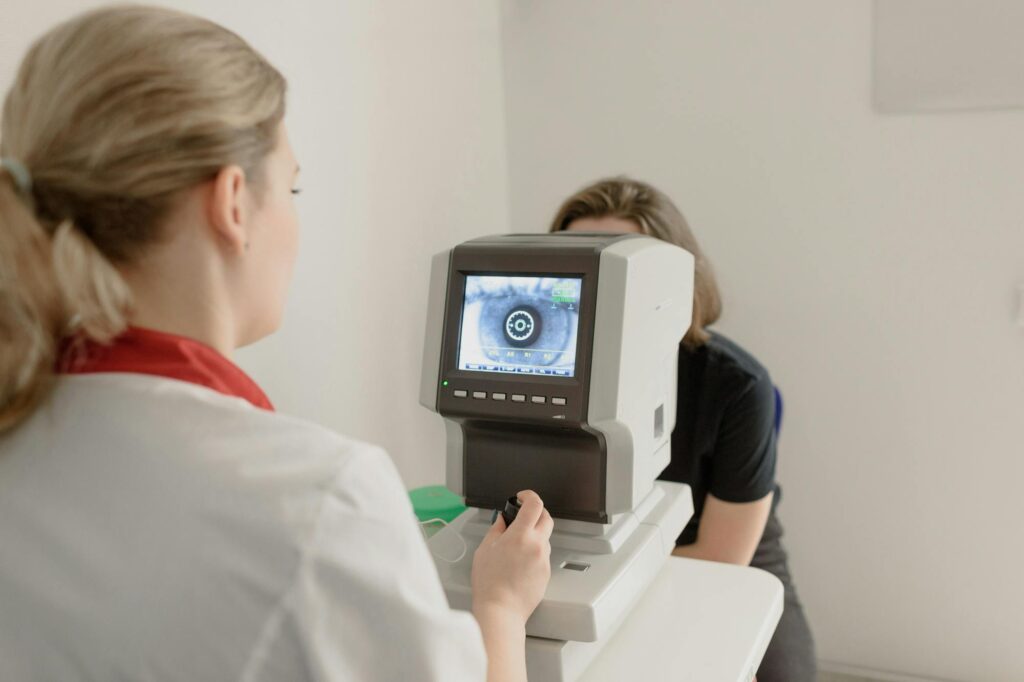
The increasing use of computers, smartphones, and other digital devices influences eye health, contributing notably to dry eye symptoms. Visionary Eye Center’s Digital Lifestyle Exam is designed to assess how extended screen time impacts your eye health and vision. This exam helps identify subtle signs of digital eye strain that might otherwise go unnoticed. Patients working in screen-heavy environments benefit from this specialized approach, as it directly evaluates factors causing their discomfort. Understanding the unique impact of digital usage enables the development of more effective management strategies.
In many cases, patients do not realize that their everyday screen use contributes significantly to eye dryness and irritation. The Digital Lifestyle Exam looks for signs of oil (meibomian) gland dysfunction and poor lid mechanics associated with reduced blink rates from screen use. These factors cause the tear film to evaporate faster, leading to dry eye symptoms. Armed with this information, the optometrist can recommend specific behavioral and therapeutic interventions tailored to each patient’s needs. This exam serves as an essential step for those seeking relief in Reno’s dry, technology-oriented environment.
By addressing screen-related challenges, this exam empowers patients to protect their eye health proactively. The personalized insights gained allow for targeted treatments that improve comfort and maintain visual performance. Scheduling a Digital Lifestyle Exam offers a clear path toward identifying the role of digital habits in dry eye issues. It is a foundational tool for those experiencing eye fatigue, irritation, or dryness linked to modern work and lifestyle demands.
For a dedicated and in-depth evaluation of all things related to dryness and discomfort, Visionary Eye Center offers its exclusive BIONIQS Ocular Surface Evaluation. BIONIQS stands for the 7 core areas of ocular surface disease: Bacteria, Inflammation, Obstruction, Nerve dysfunction, Immunology (allergies and autoimmune), Quality/Quantity of tear, and Structure (i.e., lid mechanics). This specialized exam ensures a thorough understanding of the condition to guide effective treatment.
Dry eye syndrome causes vary widely among patients, requiring a detailed and specific approach to diagnosis. The Visionary Eye Center utilizes its comprehensive BIONIQS evaluation to determine the exact cause of symptoms, whether related to tear quality, inflammation, meibomian gland dysfunction or nerve damage. This thorough assessment goes beyond surface-level treatment, ensuring care plans are scientifically grounded. Accurate diagnosis is critical for devising effective therapies that address the root of the problem rather than just the symptoms.
The evaluation process involves advanced diagnostic tools, like the Oculus Keratograph 5M, that measure tear production, assess gland functionality, nerve and eyelid function and detect ocular surface inflammation. Recognizing the diversity of dry eye conditions prevents misdiagnosis and avoids ineffective treatments. Patients benefit from a clear understanding of their condition, which sets expectations and informs treatment choices. This approach underscores the commitment to personalized medicine in eye care.
By tailoring diagnosis to individual patient profiles, the center enhances the precision of dry eye management. This step is essential in providing relief that is both enduring and meaningful for patients’ everyday lives. A proper diagnosis also helps guide follow-up care and adjustments in treatment as needed. Individuals seeking expert evaluation for chronic or persistent dry eye in Reno find this thorough approach especially valuable.
Dry eye treatment varies based on individual diagnosis, symptoms, and severity. The Visionary Eye Center offers customized treatment plans that may include dropless options like intense pulsed light (IPL), radiofrequency, punctal plugs, Zest or Rinsada biofilm treatments, TearCare or low level red light therapy. Pharmaceutical approaches include prescription eye drops, nasal tear stimulants and tear stabilizers. For more advanced cases, therapies such as regenerative autologous or PRP eye drops and scleral cover shells are incorporated to enhance healing and symptom relief. Patients benefit from a well-rounded approach that combines multiple modalities under expert guidance.
The Visionary Eye Center offers cutting-edge treatments such as IPL (Intense Pulsed Light), radiofrequency, and low-level light therapy. As IPL is the center’s workhorse dry eye treatment, as it is especially effective at addressing inflammation and meibomian gland dysfunction, the key drivers of evaporative dry eye. Highlighting this technology underscores Visionary Eye Center’s commitment to offering the most effective and technology forward solutions. Additionally, biofilm treatment options like Rinsada and Zest further expand the range of personalized care available to patients to address the symptoms of burning, itchy eyes from blepharitis (microbial overgrowth on the lids and lashes).
Prescription options like Vevye, Meibo, Xiidra, Cequa and Restasis can improve tear quality and reduce inflammation, addressing specific deficiencies detected during evaluation. Punctal plugs help conserve natural tears by blocking drainage ducts, increasing moisture retention on the eye’s surface. Radiofrequency heat therapy and lid hygiene treatments target meibomian gland dysfunction, restoring gland function and supporting healthier tear film stability.
The latest technological advancements enable the optometric team to monitor progress closely and adjust therapies for optimal outcomes. Patients appreciate individualized care that evolves with their condition, ensuring long-term management success. Investing in advanced treatments reflects the center’s dedication to offering Reno residents meaningful solutions for dry eye. Collaborative care between patient and provider fosters improved comfort and vision quality.
Managing dry eye often requires sustained effort and ongoing support due to its chronic nature. The Visionary Eye Center emphasizes continuous care through regular follow-ups and patient education. Empowering patients with knowledge about environmental triggers, lifestyle modifications, and proper at-home care is fundamental to maintaining symptom control. This support helps patients integrate effective habits that complement clinical treatments.
Education covers topics such as optimizing workplace ergonomics, managing screen time, and using humidifiers to combat dryness. Patients learn the importance of adherence to prescribed treatments and how to recognize symptom changes. This proactive approach minimizes flare-ups and preserves eye health over time. Ongoing communication ensures that treatments remain aligned with patient needs.
The center’s commitment to long-term patient well-being extends beyond the exam room. By fostering a partnership with patients, the team helps them navigate challenges associated with dry eye. This well-rounded care model improves quality of life and reinforces patient confidence in managing their condition. Continuous education and support are key components in achieving lasting relief.
Visionary Eye Center invites individuals experiencing dry, irritated, or fatigued eyes to schedule a Digital Lifestyle Exam or specialized BIONIQS ocular surface evaluation. Through detailed diagnosis and personalized treatment plans, patients obtain targeted solutions designed for their specific condition. The center’s combination of advanced technology, expert knowledge, and ongoing patient support makes it a trusted choice for dry eye care in Reno. Taking this step can lead to improved eye comfort and better daily vision, helping patients regain control over their eye health.
As parents, we all wish to see our children thrive and excel in every aspect of their lives, and ensuring they have optimal vision is a crucial part of their overall development and well-being. At Visionary Eye Center in Reno, we understand the importance of early detection in preventing and treating pediatric vision problems. This guide is designed to help parents spot the early warning signs of vision issues in children, emphasizing the critical role of pediatric eye exams.
One of the first indicators that a child may be experiencing vision problems is a noticeable increase in squinting, blinking, or eye rubbing. These actions can be a child's instinctive response to try to clear their vision or relieve discomfort caused by eye strain. Frequent squinting might suggest your child is struggling to see clearly at a distance, indicative of myopia (nearsightedness), while difficulty focusing on close objects might point towards hyperopia (farsightedness) or astigmatism. Recognizing these behaviors as potential signs of vision issues is the first step towards seeking a pediatric eye exam.
Eye rubbing, especially if it's persistent, could also indicate eye fatigue or irritation. While it's normal for anyone to rub their eyes occasionally, constant rubbing might suggest an underlying issue that warrants a professional evaluation.

Children who experience discomfort when performing tasks that require near vision, such as reading or playing with small toys, may start to avoid these activities. This avoidance can be a subtle sign of vision problems. Parents might notice their child feeling frustrated or showing a lack of interest in learning activities they previously enjoyed. If your child is avoiding homework, reading, or engaging in detailed play, it could be a sign that these tasks are visually challenging for them due to uncorrected vision issues.
Another common sign that can indicate a vision problem is when a child consistently holds reading materials or digital devices too close to their face or sits nearer to the television than is typical. This behavior may suggest that your child is trying to compensate for blurred distance vision, a hallmark symptom of myopia. While many children like to sit close to the TV for fun, if your child seems to need to sit close to see clearly, it's time to schedule an eye exam.
Listen closely if your child frequently complains of headaches or eye pain, particularly after reading, doing homework, or spending time on a computer or tablet. These complaints can often be attributed to eye strain resulting from uncorrected vision problems. A comprehensive pediatric eye exam can help determine whether vision issues are the cause of your child's discomfort, providing a path to relief through proper vision correction.
If you've noticed any of these signs in your child, it's important to take action by scheduling a pediatric eye exam. Early detection and treatment are key to ensuring your child's vision development is on track. Visionary Eye Center in Reno is here to support your family with comprehensive pediatric eye care services. We encourage parents to observe their child's visual behavior and seek professional advice when concerns arise.
Regular pediatric eye exams are a vital part of children's health care routine, helping to catch and correct vision issues early. Contact us today to schedule an exam and take the first step towards safeguarding your child's vision.
As parents, our children’s health is always a priority, especially when it comes to their vision. Identifying signs that may indicate the need for a pediatric eye exam Reno can make all the difference in ensuring your child’s eye health and supporting their overall development. Visionary Eye Center in Reno is committed to helping parents recognize these signs and understand the importance of regular eye exams for children.
Many children face challenges when it comes to reading or focusing on objects up close, but they might not always express it. You may notice your child squinting, holding books too close, or becoming frustrated with tasks that require near vision. These could be early signs of common vision problems such as myopia (nearsightedness) or hyperopia (farsightedness). Scheduling an eye exam in Reno early on can help detect any issues and provide timely interventions, which are important for your child’s academic success and well-being.
Additionally, if your child avoids activities that require detailed vision, like drawing or solving puzzles, this might indicate that they’re having trouble seeing clearly up close. Such behaviors highlight the need for an eye exam to ensure their vision is developing properly.
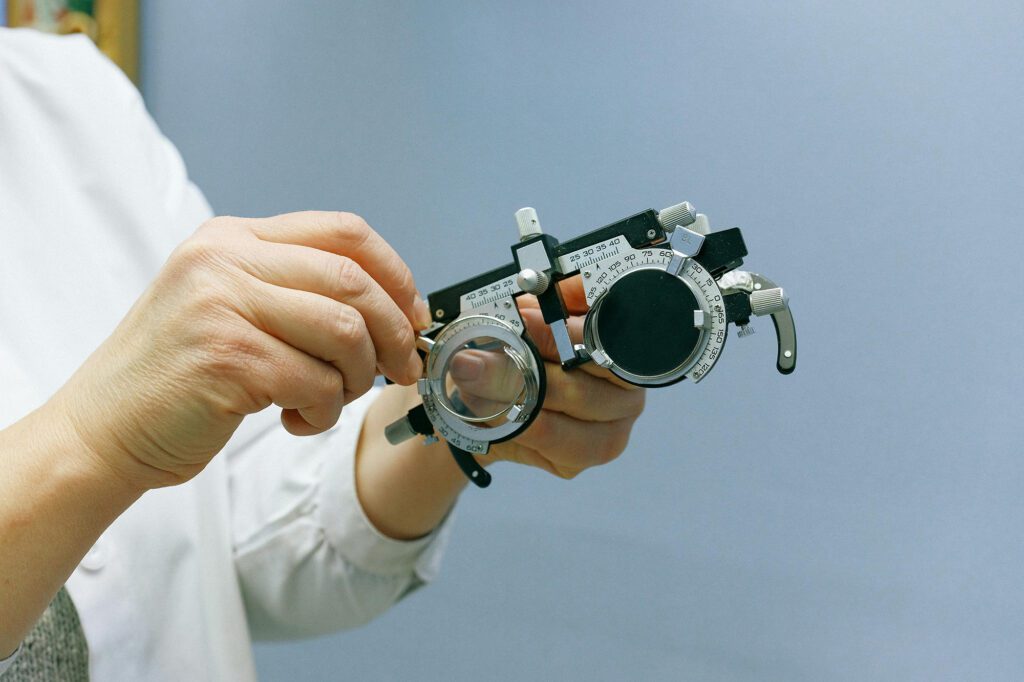
If your child frequently rubs their eyes or complains of discomfort in bright lights, these could be signs of eye strain or other vision problems. These symptoms often go unnoticed by parents, but they’re important indicators that an eye exam Reno may be needed. Regular pediatric eye exams can help detect any underlying conditions early, preventing long-term vision issues and supporting your child’s overall eye health.
If your child avoids tasks that require precise vision, such as reading small text or distinguishing between similar shapes, this could be a sign of an undiagnosed vision issue. These challenges may not just be a lack of interest but rather an indication that your child needs a thorough eye exam. Watching how your child performs in activities that demand visual accuracy can provide important clues about their eye health.
Frequent headaches or eye pain, especially after reading or engaging in visually intense activities, should not be overlooked. These symptoms often signal eye strain or other vision problems that require attention. Scheduling a pediatric eye exam in Reno can address these complaints early, preventing further discomfort and possible worsening of underlying conditions.
At Visionary Eye Center in Reno, we emphasize the importance of paying attention to your child’s vision. Regular eye exams for kids, even if they don’t show symptoms, play a key role in supporting their eye health and development. If you notice any of the signs listed above, don’t hesitate to schedule a pediatric eye exam near you. Our team is here to provide expert care and guidance for your child’s vision needs.
Early detection and treatment are essential for ensuring that your child’s vision supports their learning, growth, and happiness. Contact Visionary Eye Center for your eye exam in Reno and professional pediatric eye care tailored to your child’s unique needs.
Embarking on the journey of your child’s eye care can bring a mix of emotions, from curiosity to a bit of anxiety. Understanding what happens during a pediatric eye exam is crucial to demystifying the process and ensuring both you and your child approach this important health milestone with confidence. At Visionary Eye Center in Reno, we’re committed to providing a comforting and child-friendly environment for your family’s eye care needs. Here’s what you can expect during your child's first visit, helping to ease any apprehensions and make this experience a positive one.

Walking through the doors of Visionary Eye Center, you'll find a space designed with your child's comfort and curiosity in mind. The first pediatric eye exam is far from daunting; it's a non-invasive, engaging experience. Our eye care professionals are trained to work with children, explaining procedures in a way that’s easy to understand and ensuring that your child feels safe and valued throughout their visit. This initial appointment is not just about vision screening; it's an opportunity to build trust and lay the foundation for a lifetime of eye health.
From the moment you schedule your appointment, consider this an opportunity to talk to your child about the importance of seeing clearly and taking care of their eyes. Present the visit as a positive adventure, one where they'll get to play some "looking games" and maybe even look at some fascinating eye equipment, like the "pirate scope" or the "camera that takes pictures of your eye".
Preparation can make all the difference in ensuring a smooth and stress-free first eye exam for your child. Start by talking about the visit in positive, reassuring terms. Explain that the eye doctor is a friend who helps children see the world more clearly. You might even play pretend eye exams at home to familiarize your child with the concept.
Bring along a favorite toy or book as a comfort object. It's also helpful to write down any observations you’ve made about your child's vision or any concerns they’ve expressed, as well as questions you have, to discuss with the eye doctor.
A pediatric eye exam at Visionary Eye Center is thorough but straightforward. We start with vision testing using eye charts that may feature pictures or letters, catering to your child's age and reading ability. We assess eye alignment to ensure the eyes are working together properly and examine the health of the eye, from front to back, using lights and magnification. Techniques are gentle, and we strive to keep the atmosphere light and engaging, ensuring your child understands they can communicate any discomfort or ask questions at any time.
After the exam, we'll discuss the findings with you in clear, easy-to-understand language. Whether it’s prescribing glasses, recommending vision therapy, or simply scheduling the next check-up, we ensure you leave with a comprehensive understanding of your child's eye health and a plan for the future.
In the rare case that more specialized care is needed, we'll guide you through the options and next steps, ensuring you have the support and information needed to make the best decisions for your child's vision and overall well-being.
Your child’s first eye exam is more than a milestone—it’s the beginning of a lifelong journey towards maintaining healthy vision. By knowing what to expect and preparing your child for their visit, you're setting the stage for a positive and empowering experience. If you have any questions or wish to schedule your child's first pediatric eye exam, contact us at Visionary Eye Center in Reno. Together, we can ensure your child’s vision is clear and healthy, paving the way for a bright future.
Regular eye exams are a cornerstone of maintaining not just good vision but also overall health. At Visionary Eye Center in Reno, we understand that eye health is a critical aspect of your overall wellness. This article aims to shed light on why regular eye exams are essential for people of all ages and how they can help you make informed decisions about your eye care.
It's often said that prevention is better than cure, and this is particularly true for eye health. Many eye conditions, such as glaucoma and macular degeneration, develop silently, showing no noticeable symptoms in their initial stages. Regular eye exams are crucial in catching these conditions early. At Visionary Eye Center, our thorough eye exams are designed to identify such issues before they progress and cause irreversible damage. Early detection means early treatment, significantly improving the chances of preserving your vision and health.
Understanding the silent nature of many eye diseases underscores the importance of regular check-ups. Conditions like glaucoma, often referred to as the “silent thief of sight,” can progress unnoticed. By the time symptoms become apparent, significant vision loss may have already occurred. Routine eye exams can detect these conditions when they are most treatable.
Our eyesight changes as we age, making regular eye exams essential. These exams ensure that any changes in your vision are identified promptly. Whether you need a new prescription for your glasses or adjustments to your current eyewear, regular eye checks help keep your vision sharp and clear. At Visionary Eye Center, we can guide you through these changes, ensuring your vision needs are met at every stage of life.
As you age, you might notice changes in your vision. Maybe you're struggling to read fine print, or distant objects aren't as clear as they used to be. Regular eye exams allow us to track these changes and adjust your prescription, ensuring optimal vision and comfort.
Did you know that an eye exam can reveal much more than just eye-related issues? Your eyes are windows to your overall health, providing clues about systemic diseases like diabetes or hypertension. The blood vessels and nerves in your eyes can show signs of these conditions, often before other symptoms appear. Regular eye exams at Visionary Eye Center can therefore play a critical role in your overall health management.
The comprehensive eye exams at Visionary Eye Center can detect signs of diabetes, high blood pressure, and even cholesterol issues. This makes eye exams an integral part of your healthcare routine, offering insights that go beyond vision care.
For children, vision is closely linked to learning and social development. Regular eye exams are vital in ensuring that children have the visual tools they need to succeed in school and life. Vision problems can significantly impact a child’s academic performance, so catching and correcting these issues early is crucial.
Eye exams for children at Visionary Eye Center are about more than just checking for glasses. They're about ensuring that each child has a solid foundation for development and learning. Regular exams can help identify issues that might impede a child’s ability to read, learn, and engage in activities, setting them up for success from a young age.
We encourage you to prioritize your eye health by scheduling regular eye exams at Visionary Eye Center. These exams are a critical step in maintaining not only your vision but also your overall health. If it's time for an updated prescription or you're interested in exploring new eyewear options, our team is here to assist you. Remember, taking care of your eyes is taking care of your future.
Your eyes are windows to the world, but they can also be sources of discomfort and concern. In Reno, where the climate and lifestyle can impact eye health, understanding how to manage common eye problems is crucial. Visionary Eye Center, a leading group of Reno eye doctors, offers practical advice for dealing with issues like dry eyes, red eyes, and eye infections.
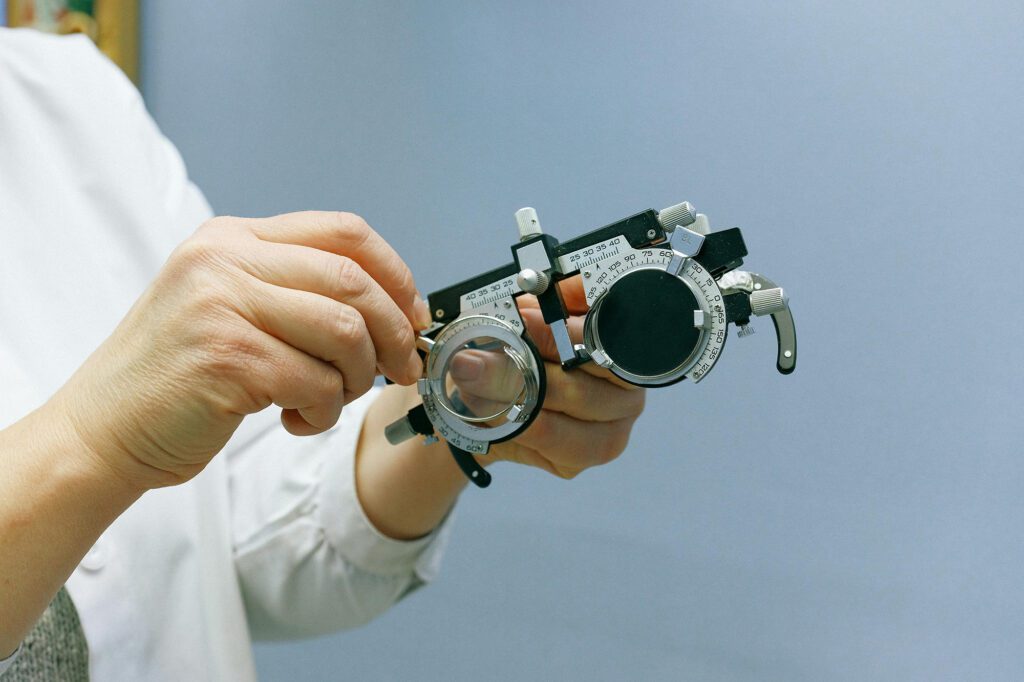
Dry eyes can result from environmental factors like Reno's dry air, certain medications, age-related changes, and prolonged contact lens use. Recognizable by a gritty feeling, burning sensation, and temporary blurred vision, dry eyes are more than just an annoyance.
Combatting dry eyes involves a combination of using lubricating eye drops and avoiding conditions that exacerbate the issue. Regular breaks from screen time, staying hydrated, and using a humidifier can also help.

Red eyes can stem from allergies, eye strain, or more serious conditions like infections. Keeping your hands clean, avoiding eye-straining activities, and using appropriate eye protection are key preventative steps.
For temporary relief, cool compresses and proper eyelid hygiene can be effective. However, persistent red eyes may indicate an underlying issue that requires professional attention.
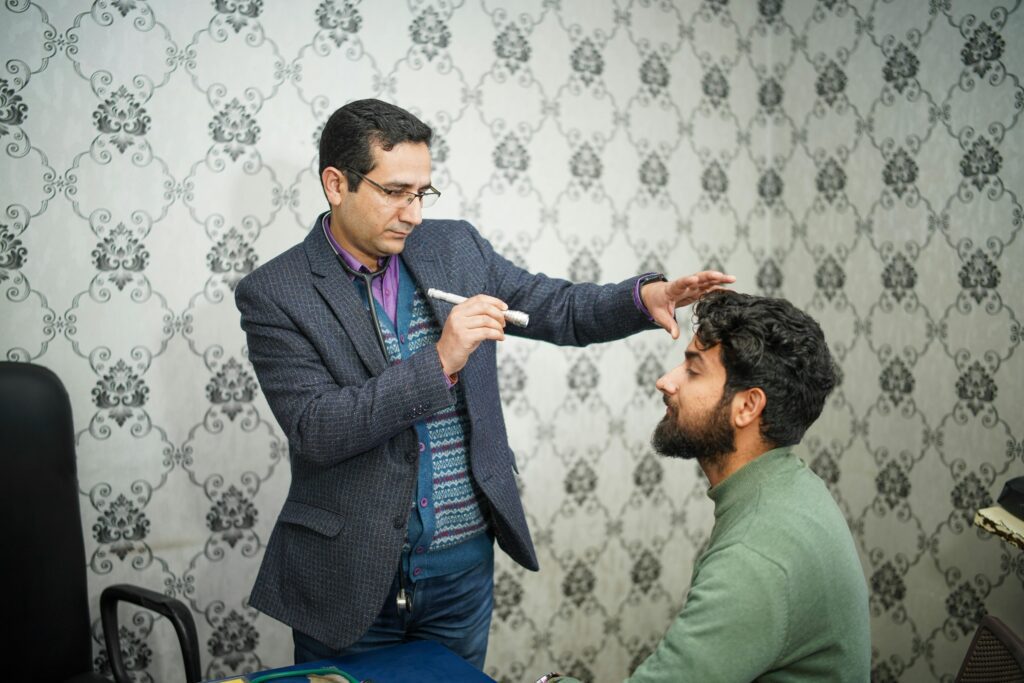
Eye infections, caused by bacteria, viruses, or fungi, often present symptoms like redness, pain, discharge, and light sensitivity. Treatments vary but typically include medicated eye drops or ointments. For contact lens wearers, maintaining good hygiene is crucial for prevention.
Persistent, worsening, or severe symptoms warrant a visit to an eye care professional. Delaying proper care can lead to complications and should be avoided.
Persistent or severe eye problems should prompt a visit to an eye care professional. Self-diagnosis and treatment can delay effective care and potentially lead to complications. Visionary Eye Center in Reno offers expert care for various eye conditions and can provide tailored solutions for your eye health needs.

When it comes to vision correction in Reno, LASIK surgery is a widely known option. However, it's not the only path to clearer vision. For those who may not be ideal candidates for LASIK, there are several effective alternatives. Visionary Eye Center in Reno offers insights into choosing the right LASIK alternative based on individual vision needs.
ICL, a suitable option for individuals with thin corneas or chronic dry eye, involves placing a thin lens within the eye. This 20-minute procedure per eye is known for minimal side effects, although recovery can span several months.
ICL is not just a short-term solution. It offers long-lasting vision correction, making it a worthwhile consideration for those ineligible for LASIK.
Photorefractive Keratectomy (PRK) reshapes the cornea by removing its outer layers. It's a preferred choice for those with thin corneas who can't undergo LASIK. While the recovery from PRK can be longer and more uncomfortable, it's highly effective, especially for athletes or pilots.
The post-PRK recovery period may involve more discomfort compared to LASIK, but the outcomes in terms of vision correction are commendable.
Refractive Lens Exchange (RLE) replaces the eye's natural lens with a synthetic one. It's particularly beneficial for those over 40, addressing presbyopia and early cataracts. RLE suits individuals with strong prescriptions not correctable by LASIK.
RLE not only corrects vision but also prevents the future development of cataracts, offering a dual benefit for aging eyes.
LASEK surgery, similar to LASIK and PRK, is recommended for people with thin or flat corneas. The recovery period can be prolonged, with potential side effects like dry eyes and light sensitivity. Choosing between LASIK, PRK, and LASEK depends on individual eye structure, lifestyle, and vision goals.
After exploring these alternatives, it's crucial to consult with eye care professionals to determine the most suitable option. At Visionary Eye Center, we assess your specific vision correction needs to recommend the best procedure.
We invite you to visit Visionary Eye Center in Reno to explore these LASIK alternatives. Our team is dedicated to providing personalized care, ensuring you receive the best treatment for your unique vision needs.
In today's world, where advancements in medicine and technology are progressing at breakneck speeds, questions about the aftermath of treatments are just as important as the treatments themselves. One frequently asked question for those considering refractive surgery is, "Can you drive home after LASIK eye surgery?"
To answer this, let's first journey through the evolution of modern refractive surgery and understand its nuances. Visionary Eye Center, the premier provider of LASIK in Reno, will be taking a deep dive into the effect of LASIK surgery on driving.

Long before LASIK came into the picture, there was radial keratotomy. However, modern refractive surgery truly began with the groundbreaking invention of photorefractive keratectomy (PRK). Soon after PRK, the world welcomed LASIK (laser-assisted in situ keratomileusis) eye surgery. A procedure that is now readily accessible not just in global hubs, but also right here in Reno, NV.
Compared to radial keratotomy, both PRK and LASIK were leaps and bounds ahead, offering increased safety, predictability, and stability. While both utilize lasers to reshape the cornea, LASIK involves creating a flap that's placed over the treated area, whereas PRK directly applies the laser without creating a flap. This distinction means that LASIK usually ensures a quicker recovery, making it a popular choice among many. Meanwhile, PRK is recommended for those with larger prescriptions.
But the world of refractive surgery doesn't end there. There's also LASEK (Laser epithelial keratomileusis), which merges the best of both worlds. Instead of creating a flap, the epithelium is gently slid off and then replaced post-treatment. And for those with more significant prescriptions or a preference against permanent corneal tissue removal, there's the option of an ICL (Implantable Contact Lens).
Presbyopic patients aren't left behind either. With innovations like the Kamra or Raindrop corneal inlays, reading vision can be restored. Another noteworthy procedure is the refractive lens exchange, similar to cataract surgery, replacing the natural eye lens with an intraocular implant lens, offering various vision settings.
Now, understanding the intricacies of these procedures, it becomes paramount to choose the right center. That's where Visionary Eye Center in the Reno-Sparks area comes into focus.
Visionary Eye Center isn't just another eye care provider. Born from the commitment to offer bespoke eye care solutions, they believe in tailoring treatments to fit each individual's unique vision. Whether it's custom frames that resonate with your personality or specialized contact lenses designed for your comfort, their offerings are as unique as you.
Independence is a virtue that Visionary Eye Center holds dear. Steering clear from the mold of multi-practice chains or franchises, they offer patients an opportunity to build genuine, lasting relationships with their doctors. But don't mistake their belief in traditional doctor-patient relationships as being archaic. Their independence ensures they remain agile, adopting the latest in eye care technology and treatments. This means you aren't restricted to outdated procedures or bulk products.

Perhaps most importantly, Visionary Eye Center thrives on empowering its patients. Their philosophy is simple yet profound: an educated patient makes better health decisions. With a plethora of information available on their site and regular updates on their social platforms, they ensure you're well-equipped to make the best choices for your eyes.
To circle back to our initial question: Can you drive home post-LASIK? It's recommended to have someone drive you home as your vision might be blurry or hazy for several hours. But when you're deciding where to get LASIK, driving a little extra to ensure you're in capable, caring hands is worth every mile.
So, if you're contemplating LASIK or any other eye procedure, look no further than Visionary Eye Center. With cutting-edge technology, individualized treatments, and a dedicated team, it truly is vision care at its finest.
Disclaimer: The information provided in this blog is for general informational purposes only and should not be considered as medical advice; always consult with a qualified healthcare professional before making any decisions related to your eye health.
Few developments in the field of ophthalmology have been as revolutionary as the advent of LASIK eye surgery. Originating from the groundbreaking surgical innovation of photorefractive keratectomy (PRK), LASIK (Laser-Assisted In Situ Keratomileusis) represents a quantum leap in refractive surgery. Today, we at Visionary Eye Center in Reno, NV, invite you on a journey to understand LASIK better and put your safety concerns to rest. Visionary Eye Center is a premier eye care center when it comes to completing the LASIK procedure in Nevada.
The history of refractive surgery is a compelling narrative of innovation and refinement. The early days saw procedures like radial keratotomy that, despite being pioneering, had their fair share of limitations. The game-changer came in the form of PRK and LASIK, both of which utilize a laser to reshape the cornea—the transparent front surface of the eye.
While both procedures utilize similar technology, they differ in their methods. In LASIK, a hinged flap is created on the cornea, folded back, and the laser is used to reshape the underlying corneal tissue. Post-treatment, the flap is repositioned, serving as a natural bandage. This allows for quicker visual recovery compared to PRK, where the laser is applied directly to the corneal surface, necessitating a longer healing period.
LASEK (Laser Epithelial Keratomileusis) is another variant that marries elements of both LASIK and PRK. The procedure involves the gentle displacement of the corneal epithelium before the laser treatment, which is then repositioned, often resulting in less postoperative dryness compared to LASIK.
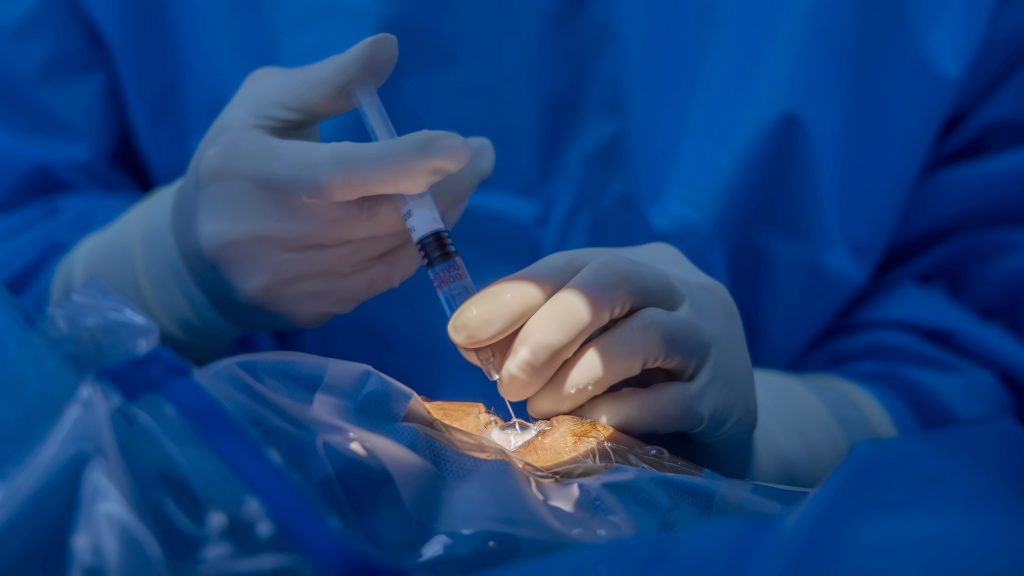
While LASIK has reshaped the landscape of refractive surgery, it may not be the ideal solution for everyone. For patients with high prescriptions or thinner corneas, or for those uncomfortable with the permanent removal of corneal tissue, an ICL (Implantable Contact Lens) is a practical alternative. This procedure involves placing a small lens between the iris and the natural lens of the eye. Importantly, the ICL procedure is reversible, causing minimal trauma to the eye.
Patients aged 40 and above, referred to as presbyopic patients, have other alternatives. One of them is the use of corneal inlays, such as the Kamra or Raindrop, which are inserted into the cornea. They create a pinhole effect, extending the eye's depth of focus and enhancing near vision. Another option is refractive lens exchange, which replaces the eye's natural lens with an intraocular implant lens. This procedure is akin to cataract surgery, with implant lenses capable of being tuned for distance, monovision, or even multifocal options.
For those reluctant about surgical correction, orthokeratology offers an effective, non-surgical route. This involves the use of specially designed gas permeable contact lenses worn during sleep that temporarily reshape the cornea, providing clear vision during the day without the need for glasses or contact lenses.
Visionary Eye Center are the premier eye doctors in Reno. We believe each person's visual system paints a unique view of the world, and thus, their vision correction solutions should be tailored to their individual needs.
Our practice prides itself on independence. As a standalone entity, we offer a personalized experience, ensuring a one-on-one relationship with our doctors. We fuse this old-fashioned, trust-based doctor-patient relationship with cutting-edge technology and contemporary treatment options, giving you the best of both worlds.
Education is empowerment. Following this philosophy, we strive to inform our patients about their treatment options, helping them make the most educated decisions about their care.
At Visionary Eye Center, we are committed to delivering unparalleled eye care using state-of-the-art, patient-friendly procedures like LASIK in Nevada. The evolution of refractive surgery demonstrates significant strides in ensuring safety and efficacy in vision correction. Whether you're considering LASIK or exploring other options, our team is ready to guide you every step of the way, taking care of your eye care needs while putting your safety concerns to rest.
775.587.3892info@visionaryeyecenter.com8175 South Virginia Street Suite B-900