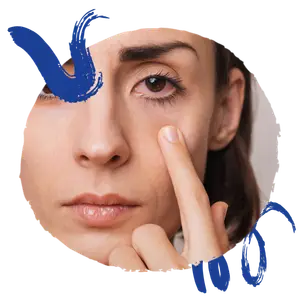
If you’ve undergone LASIK or similar refractive surgeries like PRK or ICL and now suffer from persistent dry, red, or irritated eyes, you’re not alone. Dry eye symptoms are a common side effect after these procedures due to corneal nerve disruption that reduces tear production. This discomfort can significantly affect your vision satisfaction and overall quality of life. Understanding your options for relief and specialized care can help you regain comfort and improve your eye health.
Living with chronic dry eye symptoms after LASIK can feel frustrating, but relief is achievable. Many patients believe their discomfort is permanent, yet tailored treatments can effectively address the underlying causes of dryness and irritation. A comprehensive dry eye evaluation pinpoints the exact reasons for your symptoms, which may differ from person to person. With that information, your care plan is specifically designed for your unique condition, enhancing the likelihood of a successful outcome. This individualized approach ensures that treatment goes beyond simple symptom masking to promote lasting comfort.
Our advanced technology allows for a thorough assessment that goes deeper than traditional exams. Different factors such as tear quality, eyelid function, and inflammation are all carefully examined to guide your treatment path. Access to cutting-edge therapies means your care integrates the latest scientific advances for dry eye management. If you have struggled with redness, burning, or blurry vision post-surgery, specialized evaluation and treatment can change your experience. You have options to regain comfort and protect your vision.
Professional care for post-LASIK dry eye takes into account not only symptom relief but also prevention of further damage. Ignoring dry eye problems often leads to worsening discomfort and complications. Early intervention with targeted therapies increases your chances of a quick and effective recovery. If you feel your eyes are always dry or irritated months after surgery, scheduling a dry eye evaluation is a critical next step to end your discomfort.
Severe dry eye symptoms following refractive surgery are challenging but not untreatable. Advanced therapies available today directly target the causes behind the dryness, rather than simply lubricating the eye surface. These methods include intense pulsed light (IPL), low-level light therapy (LLLT), radiofrequency (RF), and specialized treatments like TearCare. Such technologies work synergistically to reduce inflammation, improve tear film stability, and stimulate natural tear production. Through these innovative approaches, even persistent, difficult cases of dry eye can be brought under control.
For many who have tried over-the-counter drops without success, these clinical treatments represent a major improvement. Intense pulsed light, for example, can alleviate eyelid inflammation and improve gland function that is essential for a stable tear layer. Radiofrequency therapy gently heats eyelids to unclog blocked glands, a common cause of dryness. These treatments are non-invasive, often comfortable, and customized to your condition's severity. Not only do they relieve symptoms, but they also target the root causes of dry eye after LASIK and related surgeries.
With consistent treatment, many patients report significant reductions in eye redness, irritation, and discomfort. Eyes feel more naturally lubricated with fewer fluctuations in vision clarity. Advanced treatments help restore your eyes’ balance and function, increasing your confidence in returning to daily activities without suffering. If dry eye symptoms have persisted beyond the usual healing period, professional intervention with these therapies can help regain your eye comfort and health.
Persistent dry eye after LASIK doesn’t just irritate your eyes — it can also impair your vision quality. Tear film disruption causes fluctuating or blurred vision, glare, and difficulty focusing, which many patients find frustrating post-surgery. Addressing dry eye effectively can therefore directly enhance how clearly you see. By stabilizing your tear film and protecting the ocular surface, treatments help restore visual clarity and comfort. This benefits your overall satisfaction with your vision correction or alternative procedure.
Improved tear quality and quantity reduces irritation that affects your cornea and eyesight. Even subtle improvements in eye lubrication result in less fluctuating vision and reduced eye strain. Better tear film leads to smoother optical surfaces, enhancing the benefit you originally sought from LASIK or other refractive surgeries. Without properly managing dry eye, these visual disturbances can persist or worsen, undermining the success of your surgical procedure. Taking action to treat dry eye supports not only comfort but the ultimate goal of sharp vision.
Regular follow-up and maintenance therapies also contribute to lasting visual performance. As eyes heal and nerves regenerate, improvement in tear function helps maintain clarity over time. Long-term dry eye management protects your ocular health and prevents further damage or complications from chronic inflammation. Consequently, advanced dry eye treatment complements your refractive procedure, offering a holistic path to better vision and eye comfort.
Some patients with post-LASIK dry eye suffer from nerve damage that traditional treatments alone cannot fully address. For these cases, biologic eye drops such as platelet-rich plasma (PRP) serum, autologous serum, and Oxervate are valuable options to promote healing. These biologics contain natural healing factors that stimulate nerve regeneration, restore ocular surface integrity, and reduce inflammation. Their use can enhance recovery for those experiencing persistent symptoms due to corneal nerve impairment.
PRP serum is derived from your own blood, rich in growth factors that accelerate tissue repair. Autologous serum eye drops similarly leverage your body’s natural healing components to support corneal recovery. Oxervate is a prescription medication designed specifically to aid nerve healing and improve symptoms from neurotrophic keratitis and dry eye associated with nerve damage. Employing these advanced therapeutic options allows addressing the underlying causes at a cellular level, which is especially important after surgeries like LASIK.
Clinically supervised use of these biologic treatments has improved comfort and visual outcomes for many patients with refractory dry eye. They can be integrated into your customized care plan when nerve damage contributes to ongoing dryness or discomfort. Because post-surgical nerve issues require specialized attention, having access to these advanced options significantly expands the ability to provide meaningful relief. If you suspect your dry eye relates to nerve problems, exploring these therapies with an expert can make a substantial difference.
Your next step is to schedule a BIONIQS dry eye evaluation to identify the exact causes of your symptoms and explore the advanced treatment options available for you. This comprehensive exam harnesses the latest dry eye technology and diagnostic tools to deliver a personalized care plan targeting your unique needs. Whether your dry eye is mild or severe, or linked to nerve damage, professional evaluation and treatment can restore your comfort and help you regain confidence in your vision. Taking action now helps move beyond frustration toward lasting relief and healthier eyes.
Your eyes are windows to the world, but they can also be sources of discomfort and concern. In Reno, where the climate and lifestyle can impact eye health, understanding how to manage common eye problems is crucial. Visionary Eye Center, a leading group of Reno eye doctors, offers practical advice for dealing with issues like dry eyes, red eyes, and eye infections.

Dry eyes can result from environmental factors like Reno's dry air, certain medications, age-related changes, and prolonged contact lens use. Recognizable by a gritty feeling, burning sensation, and temporary blurred vision, dry eyes are more than just an annoyance.
Combatting dry eyes involves a combination of using lubricating eye drops and avoiding conditions that exacerbate the issue. Regular breaks from screen time, staying hydrated, and using a humidifier can also help.

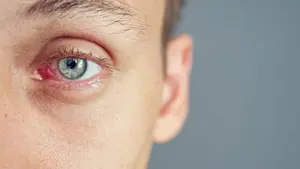
Red eyes can stem from allergies, eye strain, or more serious conditions like infections. Keeping your hands clean, avoiding eye-straining activities, and using appropriate eye protection are key preventative steps.
For temporary relief, cool compresses and proper eyelid hygiene can be effective. However, persistent red eyes may indicate an underlying issue that requires professional attention.

Eye infections, caused by bacteria, viruses, or fungi, often present symptoms like redness, pain, discharge, and light sensitivity. Treatments vary but typically include medicated eye drops or ointments. For contact lens wearers, maintaining good hygiene is crucial for prevention.
Persistent, worsening, or severe symptoms warrant a visit to an eye care professional. Delaying proper care can lead to complications and should be avoided.
Persistent or severe eye problems should prompt a visit to an eye care professional. Self-diagnosis and treatment can delay effective care and potentially lead to complications. Visionary Eye Center in Reno offers expert care for various eye conditions and can provide tailored solutions for your eye health needs.
Here at Visionary Eye Center, we treat plenty of patients with blepharitis, so you aren’t alone. An estimated 82 million Americans have been diagnosed with the eyelid disease. As eye doctors in Reno with decades of experience, we strive to make sure that our patients understand the cause of blepharitis: simply just an abundance of bacteria near the eyelids.
Because the disease contributes to dry eye syndrome, it leads to other symptoms like itching, a gritty feeling in the eyes, eyelid crusting that looks like dandruff, and red, swollen eyes. In addition to serious discomfort, blepharitis can negatively affect those scheduled or in the process for cataract or LASIK refractive surgeries. If left untreated, blepharitis can cause patients to experience chronic red-eyes, styes, or damage to their corneas.
There are two different types of blepharitis: posterior and anterior. Posterior blepharitis is usually caused by inflammatory conditions like rosacea. Anterior blepharitis is typically caused by microbes like Staphylococcus bacteria (which causes staph infections) and Demodex mites.
Demodex are mites that live on skin and thrive in hair and lash follicles. Younger children or the elderly are more likely to have an abundance of mites. Demodex mites’ average lifespan is estimated to be several weeks, but that is enough time to cause serious cases of blepharitis. They cause irritation with burrowing and laying eggs, and producing small amounts of waste products which feeds further bacterial growth.

Treatment for blepharitis is possible. One common option for Reno optometrists to utilize is ZEST, or Zocular Eyelid System Treatments. It works by gently exfoliating the eyelids to restore the natural state and cleans the eyelid margins to open up the meibomian gland. ZEST ensures the glands can release oils into the eye to create a healthy tear film and reduce symptoms of dry eye, all while providing thorough treatment for blepharitis and other potential diseases. This natural procedure is completed in about ten minutes and helps solve crusting around the eye.
Blepharitis can damage the meibomian glands along the edge of the eyelid where the eyelashes are. These glands create oil needed for tears. The oily layer is the outside of the tear that prevents them from drying too quickly. A number of eye issues can involve these glands, and for more information on additional treatments and procedures, head to our informational page on dry eye syndrome.

It is not too late to seek out treatment for Demodex mites on your lids or blepharitis. With a variety of eye care methods, including the use of ZEST, the team here at Visionary Eye Center can relieve your eye concerns. Book an appointment today with the best Reno optometrists in the city.
According to Dry Eye Directory, approximately 5-15% of the American population experiences dry eye syndrome. While the climate in Reno influences many to experience this disease year round, the winter months heighten symptoms for most Northern Nevadans. Nevada’s winter season leads to increased dryness due to decreased humidity in the atmosphere.
As an eye doctor in Reno we want to make sure that the Reno community is aware of two solutions we offer to help combat discomfort in the eye. If dry eyes are not properly addressed, you can experience inflammation in the eye which could damage its surface.

Our eyes produce tears to help maintain moisture and wash away any particles collected throughout the day that shouldn’t be there. This is crucial to prevent dry eyes, noting that Reno’s climate is not the only culprit influencing this issue. Someone may experience dry eye syndrome due to their body’s inability to produce tears properly or the quick evaporation of tears being produced.
People experience this problem due to unhealthy habits, older age, climate, smoking, the use of allergy medicine, and the use of contact lenses.
The Ocular Surface Disease Index Test helps us monitor your symptoms with the use of 20 scientifically validated questions. Feel free to take the quiz to help you understand the severity of your symptoms and help us when guiding you towards the most appropriate treatment.
THE OCULAR SURFACE DISEASE INDEX (PDF)
Dry Eye Syndrome leads to discomfort in the form of a stinging or burning sensation, a gritty feeling, dryness in the eyes, red eyes, and watery eyes. These symptoms can be a pain causing many individuals to become sensitive to light, experience increased eye fatigue, filmy vision, or difficulty wearing contacts. Using one of the many dry eyes treatments we offer can help combat challenges created when dealing with this common disease.
One of the latest treatments offered at our clinic is TearCare. This treatment applies heat to the eyelids using a tool that helps remedy meibomian gland dysfunction (MGD). This issue is commonly experienced due to clogged oil glands located near the edge of your eyelashes. These glands are important because they produce an oil layer for your tears to prevent them from drying out too quickly.
This procedure is a comfortable, wearable technology that applies gentle heat to the eyelids to liquify the meibomian allowing blockages to loosen. Once these blockages are cleared, you will experience improved production of the oils that help keep your eyes from getting dry. One benefit of this procedure is how quickly it can be done. The procedure is non-invasive and can be completed in minutes.
At the Visionary Eye Center we offer you another simple solution to help you solve and prevent dry eye disease. Zest (Zocular Eyelid System Treatment) focuses on exfoliating the eyelids to help return them to their natural state.This natural procedure is completed in about ten minutes and helps solve crusting around the eye associated with blepharitis, a condition caused by bacterial biofilm overgrowth.

By using this procedure, you can reduce your eye's collection of bacteria which causes dry eyes. Just like TearCare, this improves the outflow of the oils needed to prevent unfavorable symptoms from occurring by removing the film blocking the meibomian gland openings.
Now is a great time to take action and get rid of dry eyes fast. Whether you experience symptoms all year long or notice heightened sensitivity during the colder months, the Visionary Eye Center offers you a solution. With a variety of eye care methods and treatments, we can help you combat the many symptoms associated with dry eyes. We aim to provide custom eye care solutions for our patients in the Reno-Sparks area. Come visit us at the Visionary Eye Center and allow us to relieve your dry eye concerns.
Dry eye or “dry eye syndrome” or “dry eye disease” is a condition where there is a lack of lubrication/moisture on the eyes. People all over the world and of all age groups are prone to experiencing dry eye, and it is one of the most common reasons for visiting an optometrist. This blog will help to answer what causes dry eye, what are the symptoms of dry eye, and some common dry eye treatments and preventative measures.
While it can be uncomfortable and irritating, it is not life threatening. However, that’s not to say that it won’t cause any damage at all. Untreated dry eye is prone to bacterial infections and can eventually lead to inflammation or corneal scarring and vision loss.
Symptoms can range from mild to severe, and it can affect people in different ways. These symptoms can include:
If you are experiencing—for a prolonged period of time—one or more of these you could be affected by dry eye syndrome and should see an optometrist.
Dry eye syndrome can be caused by many different factors, but it all revolves around your tears. While it is easily pushed to the wayside, tears are vital to your overall eye health.
Tears are composed of three layers—a lipid oily layer, an aqueous watery layer and a mucin mucus like layer. An imbalance in tear composition leads to inflammation, which can damage the tear producing glands worsening the condition over time.
Additionally, there should always be a tear layer around your eye to keep it moist, and to act as a protective layer against dust and microorganisms. Dry eye symptoms will set in when your eye stops producing quality tears or production of the components in the correct ratios. This can be caused from aging, hormone changes like menopause, thyroid disorders, vitamin A deficiency, lasik eye surgery and certain medications.
Dry eye syndrome can also be caused from tear evaporation from wind, smoke, dry air, or blinking less often while reading, driving, or working on a computer.
Recent studies have indicated that there is a link between dry eyes and screen time. According to a Nielsen Company audience report the average American spends close to 11 hours a day in front of a screen. With the world going digital and more people working from home now than ever, this is one of the leading causes of dry eyes.
Prolonged sittings in front of a screen can dry out your eyes, and throw off the water, oil and mucus composition as well.
When you blink your eyes release a tear film that coats your eyes and keeps them moist. While working on a computer, scrolling social media on your phone or just watching TV you don’t blink as much causing your eyes to dry out quicker.
Similarly, a Japanese study from 2014 indicated that working long hours in front of a computer screen can throw off your tear balance causing a decreased amount of mucus that is necessary for a healthy eye.
Children are also susceptible to dry eyes from screen time. With a global pandemic, increased time inside and increased implementation of numerous screens, parents should be carefully monitoring their children’s screen use and the health implications.
One of the most important things to prevent dry eyes is to be aware of what you’re doing and your surroundings.
Avoid direct airflow:
If you experience dry eyes in the morning it could be from your fan if it is blowing directly at you overnight. If it is an overhead fan try decreasing the speed, or if it is another type of fan try to not point it directly at your bed. Also, pay attention to air conditioning, heaters and hair dryers.
Humidify the air:
If you live in a dry environment an indoor humidifier can greatly increase the moisture in your home.
Wear sunglasses:
If you work outside sunglasses will not only protect you from dryness from the sun, but also from wind, dry air and any dust or microscopic particles.
Take a break from the screen:
While working from a computer screen be sure to take breaks. Close your eyes for a few minutes, blink repeatedly to help spread your tears back out, or for every 20 minutes behind the screen take 20 seconds to look away at something in the distance. You can also try to lower your screen to below eye level so you aren’t forced to open your eyes as much.
Don’t smoke:
Smoking poses numerous health risks throughout your body that contribute to dry eyes, and the smoke can worsen your dry eye symptoms. Consult with your doctor for a strategy to quit smoking.
Artificial tears:
These are one of the most common treatments for dry eyes. They are eye drops that increase eye moisture, supplementing inadequate production of tear components. Artificial tears range widely in their components and are much more than just rewetting drops today.
Medications:
Thankfully, if you suffer from chronic dry eye syndrome there are a multitude of different medications. An anti-inflammatory called cyclosporine (Restasis, Cequa and Klarity-C) is commonly used to increase your amount of tears and protect your cornea from further damage. Lifitegrast (Xiidra) is another drug that is widely prescribed early in the dry eye treatment process. Commonly doctors prescribe corticosteroid eye drops for rapid improvement in symptoms and use the prior medications for long term treatment. Consult with your doctor before taking any medication.
Lacrimal or Punctal Plugs:
This is a simple procedure that blocks the drainage holes in the corners of your eyes. It is a reversible and non-permanent solution that can help slow tear loss.
In office procedures:
The bacteria that live along the eyelids can produce toxins that cause inflammation and damage to the lid and tear glands. Your optometrist can exfoliate the lids in the office and express stagnant tear components, opening up tear flow and reducing the bacterial buildup along the lids. This is similar to how your dentist cleans your teeth to reduce cavities.
Surgery:
As a last resort some doctors may suggest surgery if the other treatments are ineffective. The tear drainage ducts can be cauterized to slow tear drainage similar to lacrimal plugs where it is aimed to stop the drainage of your tears. This surgery is permanent and only used in the most severe cases. Your surgeon may also recommend sewing the eyelids together to partially close the eyes. A third option would be tighten up the conjunctiva so tears can spread more evenly over the eye.
Our Reno family eye care center offers exceptional personalized visual solutions. We have been proudly serving the Northern Nevada area since 2004, and we are continuously improving our practice, service, and knowledge. We offer customized dry eye solutions featuring the Crystal Tear Report from our Oculus Keratograph 5M. Contact us today to get started on your path to healthy eyes!
775.827.1100info@visionaryeyecenter.com8175 South Virginia Street Suite B-900