As parents, we all wish to see our children thrive and excel in every aspect of their lives, and ensuring they have optimal vision is a crucial part of their overall development and well-being. At Visionary Eye Center in Reno, we understand the importance of early detection in preventing and treating pediatric vision problems. This guide is designed to help parents spot the early warning signs of vision issues in children, emphasizing the critical role of pediatric eye exams.
One of the first indicators that a child may be experiencing vision problems is a noticeable increase in squinting, blinking, or eye rubbing. These actions can be a child's instinctive response to try to clear their vision or relieve discomfort caused by eye strain. Frequent squinting might suggest your child is struggling to see clearly at a distance, indicative of myopia (nearsightedness), while difficulty focusing on close objects might point towards hyperopia (farsightedness) or astigmatism. Recognizing these behaviors as potential signs of vision issues is the first step towards seeking a pediatric eye exam.
Eye rubbing, especially if it's persistent, could also indicate eye fatigue or irritation. While it's normal for anyone to rub their eyes occasionally, constant rubbing might suggest an underlying issue that warrants a professional evaluation.
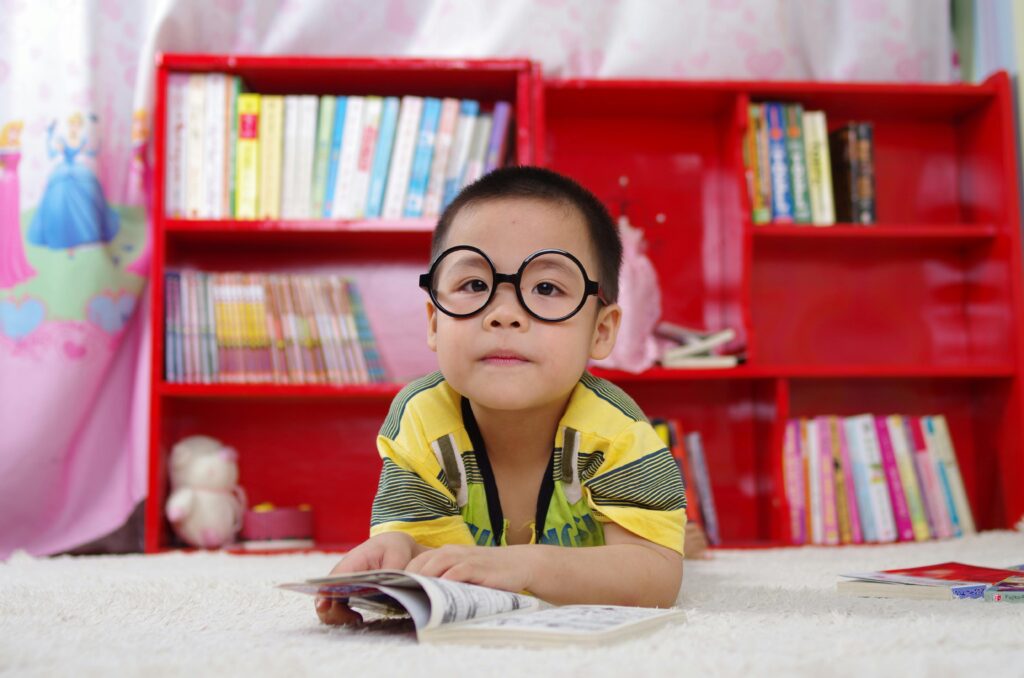
Children who experience discomfort when performing tasks that require near vision, such as reading or playing with small toys, may start to avoid these activities. This avoidance can be a subtle sign of vision problems. Parents might notice their child feeling frustrated or showing a lack of interest in learning activities they previously enjoyed. If your child is avoiding homework, reading, or engaging in detailed play, it could be a sign that these tasks are visually challenging for them due to uncorrected vision issues.
Another common sign that can indicate a vision problem is when a child consistently holds reading materials or digital devices too close to their face or sits nearer to the television than is typical. This behavior may suggest that your child is trying to compensate for blurred distance vision, a hallmark symptom of myopia. While many children like to sit close to the TV for fun, if your child seems to need to sit close to see clearly, it's time to schedule an eye exam.
Listen closely if your child frequently complains of headaches or eye pain, particularly after reading, doing homework, or spending time on a computer or tablet. These complaints can often be attributed to eye strain resulting from uncorrected vision problems. A comprehensive pediatric eye exam can help determine whether vision issues are the cause of your child's discomfort, providing a path to relief through proper vision correction.
If you've noticed any of these signs in your child, it's important to take action by scheduling a pediatric eye exam. Early detection and treatment are key to ensuring your child's vision development is on track. Visionary Eye Center in Reno is here to support your family with comprehensive pediatric eye care services. We encourage parents to observe their child's visual behavior and seek professional advice when concerns arise.
Regular pediatric eye exams are a vital part of children's health care routine, helping to catch and correct vision issues early. Contact us today to schedule an exam and take the first step towards safeguarding your child's vision.
As parents, our children's health and well-being are always top of mind, especially when it comes to their vision. Understanding the signs that may indicate a need for a pediatric eye exam can ensure your child's eye health and overall development. Visionary Eye Center in Reno is dedicated to educating parents on these critical signs and the importance of regular eye exams.
Many children experience challenges with reading or viewing close objects but may not vocalize their struggles. You might notice your child squinting, holding books unusually close, or expressing frustration during close-up activities. These behaviors could be early indicators of common vision problems like myopia (nearsightedness) or hyperopia (farsightedness). Early detection through a pediatric eye exam can lead to timely interventions, which are crucial for your child’s academic performance and overall quality of life.
Children's reluctance to participate in activities requiring detailed vision, such as drawing or assembling puzzles, can also signal vision issues. This avoidance might stem from their difficulty focusing up close, further emphasizing the need for an eye examination.
Frequent eye rubbing or complaints about being uncomfortable in bright light could indicate eye strain or inflammation, symptoms often overlooked by parents. These signs suggest that it’s time to consider a pediatric eye exam. Regular check-ups can diagnose conditions early, reducing the risk of long-term vision problems and ensuring your child’s eyes are healthy and developing correctly.
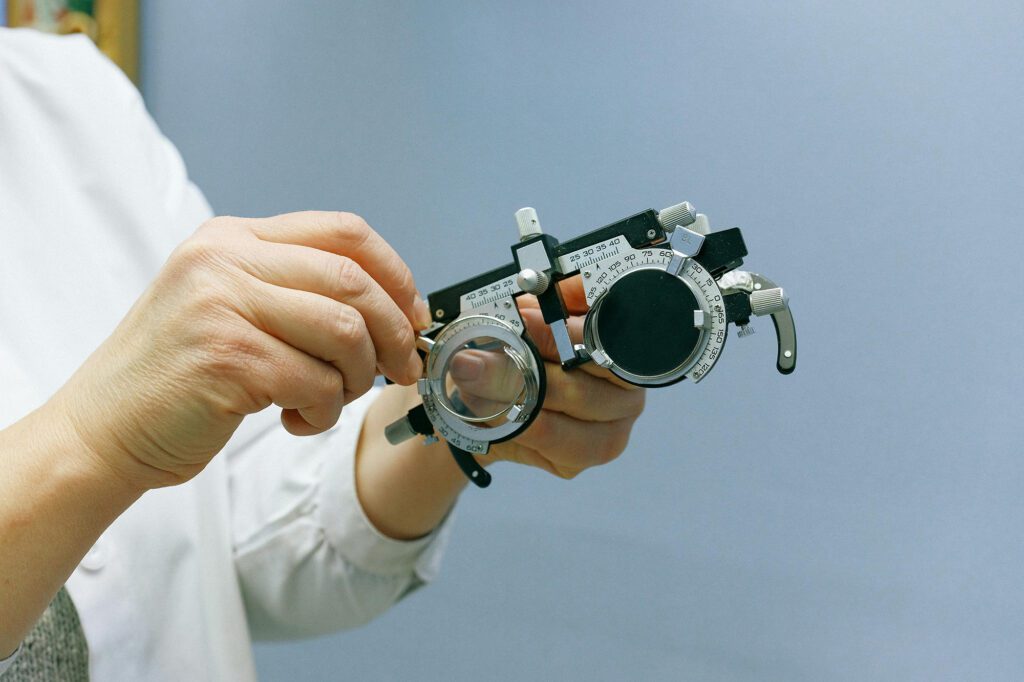
If your child avoids tasks that demand visual precision, this could be due to undetected vision issues. Difficulty with activities that require detailed vision, like reading small print or distinguishing between similar shapes, might not just be a lack of interest but a sign of vision problems. Observing your child's behavior in various activities can provide crucial clues about their vision health.
Recurring headaches or eye pain, particularly after reading or other visually intensive tasks, should not be ignored. These symptoms can be a manifestation of eye strain or other vision problems, warranting a pediatric eye examination. Addressing these complaints early can prevent further discomfort and potential exacerbation of underlying conditions.
The Visionary Eye Center in Reno emphasizes the importance of being vigilant about your child's vision signs. Encouraging regular pediatric eye exams, even in the absence of symptoms, is a critical step in safeguarding your child's eye health and overall development. If you notice any of the signs mentioned above, consider scheduling a consultation with us. Our dedicated team is here to provide comprehensive eye care and guidance for your child’s vision needs.
Remember, early detection and treatment are key to ensuring your child's vision supports their growth, learning, and happiness. Visit Visionary Eye Center in Reno for expert pediatric eye care tailored to your child's needs.
Embarking on the journey of your child’s eye care can bring a mix of emotions, from curiosity to a bit of anxiety. Understanding what happens during a pediatric eye exam is crucial to demystifying the process and ensuring both you and your child approach this important health milestone with confidence. At Visionary Eye Center in Reno, we’re committed to providing a comforting and child-friendly environment for your family’s eye care needs. Here’s what you can expect during your child's first visit, helping to ease any apprehensions and make this experience a positive one.
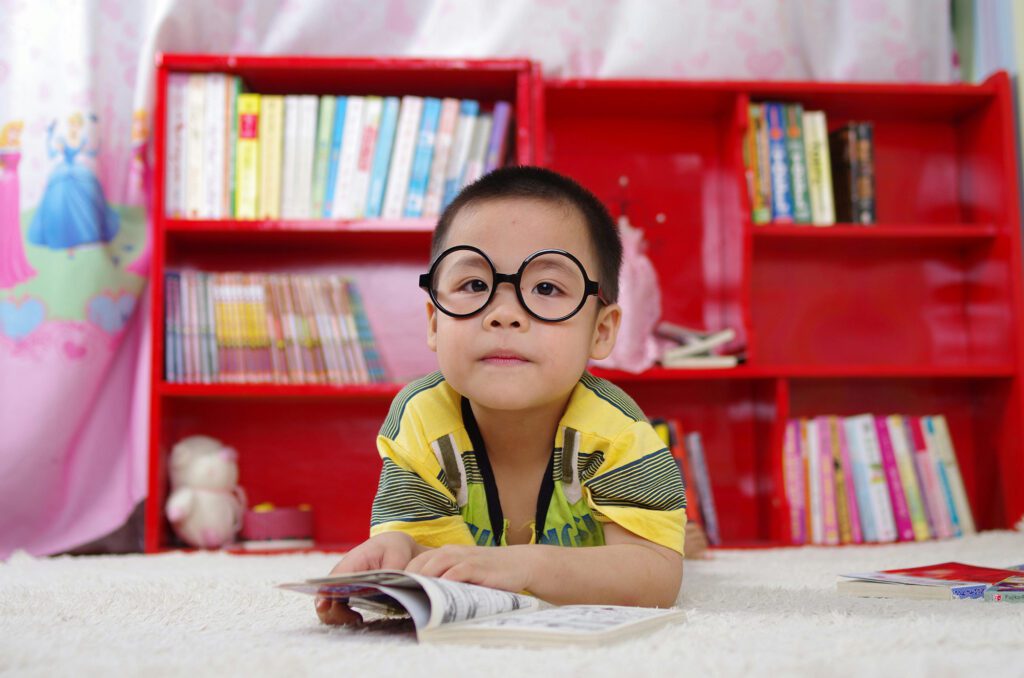
Walking through the doors of Visionary Eye Center, you'll find a space designed with your child's comfort and curiosity in mind. The first pediatric eye exam is far from daunting; it's a non-invasive, engaging experience. Our eye care professionals are trained to work with children, explaining procedures in a way that’s easy to understand and ensuring that your child feels safe and valued throughout their visit. This initial appointment is not just about vision screening; it's an opportunity to build trust and lay the foundation for a lifetime of eye health.
From the moment you schedule your appointment, consider this an opportunity to talk to your child about the importance of seeing clearly and taking care of their eyes. Present the visit as a positive adventure, one where they'll get to play some "looking games" and maybe even look at some fascinating eye equipment, like the "pirate scope" or the "camera that takes pictures of your eye".
Preparation can make all the difference in ensuring a smooth and stress-free first eye exam for your child. Start by talking about the visit in positive, reassuring terms. Explain that the eye doctor is a friend who helps children see the world more clearly. You might even play pretend eye exams at home to familiarize your child with the concept.
Bring along a favorite toy or book as a comfort object. It's also helpful to write down any observations you’ve made about your child's vision or any concerns they’ve expressed, as well as questions you have, to discuss with the eye doctor.
A pediatric eye exam at Visionary Eye Center is thorough but straightforward. We start with vision testing using eye charts that may feature pictures or letters, catering to your child's age and reading ability. We assess eye alignment to ensure the eyes are working together properly and examine the health of the eye, from front to back, using lights and magnification. Techniques are gentle, and we strive to keep the atmosphere light and engaging, ensuring your child understands they can communicate any discomfort or ask questions at any time.
After the exam, we'll discuss the findings with you in clear, easy-to-understand language. Whether it’s prescribing glasses, recommending vision therapy, or simply scheduling the next check-up, we ensure you leave with a comprehensive understanding of your child's eye health and a plan for the future.
In the rare case that more specialized care is needed, we'll guide you through the options and next steps, ensuring you have the support and information needed to make the best decisions for your child's vision and overall well-being.
Your child’s first eye exam is more than a milestone—it’s the beginning of a lifelong journey towards maintaining healthy vision. By knowing what to expect and preparing your child for their visit, you're setting the stage for a positive and empowering experience. If you have any questions or wish to schedule your child's first pediatric eye exam, contact us at Visionary Eye Center in Reno. Together, we can ensure your child’s vision is clear and healthy, paving the way for a bright future.
775.827.1100info@visionaryeyecenter.com8175 South Virginia Street Suite B-900